
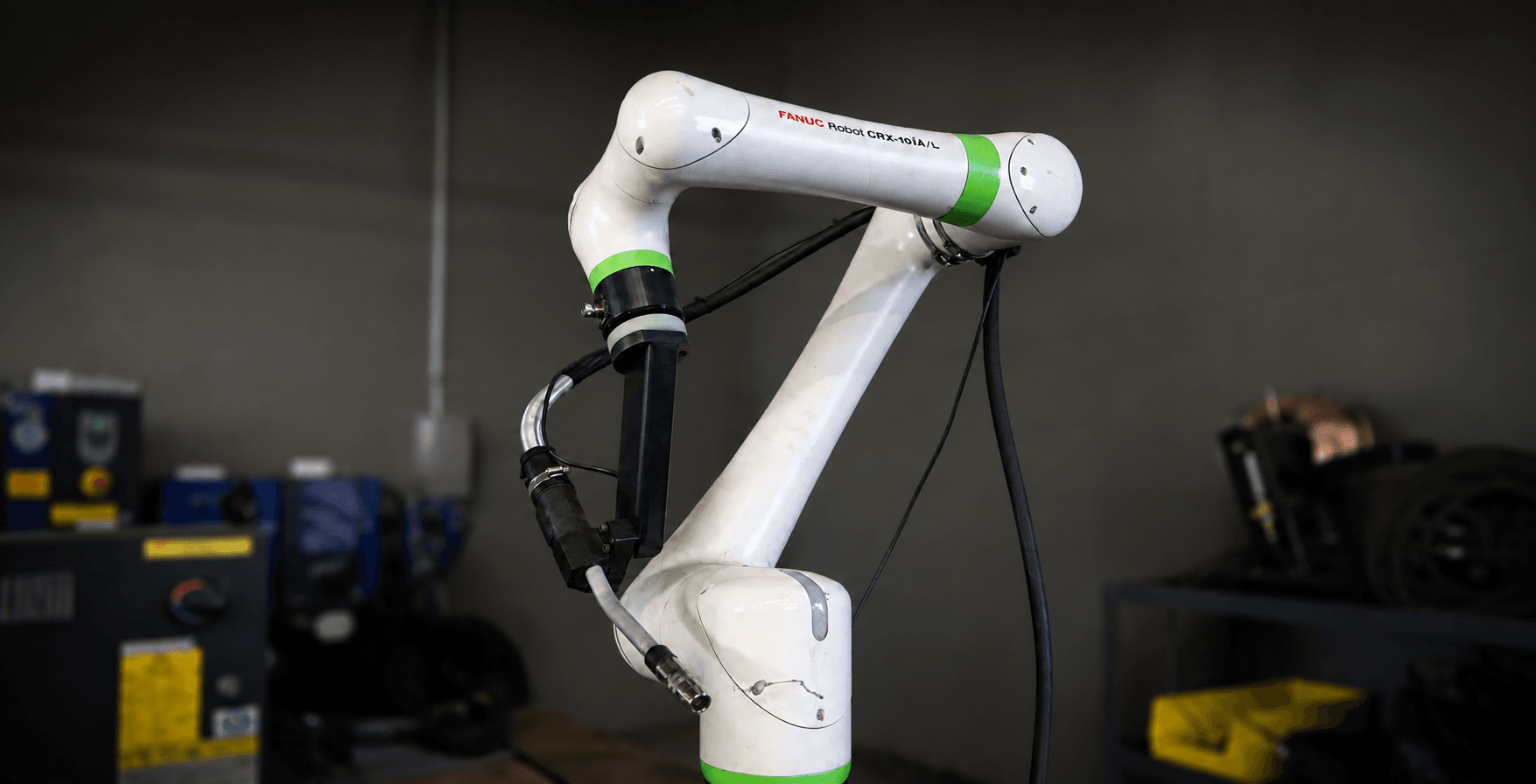
How AI Is Changing Manufacturing Without Replacing Skilled Workers
Artificial intelligence seems to be everywhere these days. From smartphones and online searches to self-driving vehicles and customer service chatbots, AI is rapidly changing the way businesses operate. The manufacturing industry is no exception.
When many people hear the phrase AI in manufacturing, they immediately wonder if machines will eventually replace skilled workers. The reality is much different. While AI and automation are helping manufacturers become more efficient, the industry still relies heavily on the knowledge, experience, and problem-solving abilities of people.
At Arnette Pattern, we see this firsthand every day. As a family-owned manufacturing company serving customers throughout the Midwest, we continuously look for ways to improve efficiency and service while maintaining the craftsmanship and attention to detail that our customers have come to expect. Technology helps us work smarter, but the people behind the machines remain the most valuable part of our operation.
What Does AI in Manufacturing Actually Mean?
Artificial intelligence refers to computer systems that can analyze information, identify patterns, and assist with decision-making. In manufacturing environments, AI is often used to improve efficiency, reduce waste, streamline workflows, and help companies make more informed decisions.
Examples of AI in manufacturing include:
- Automated scheduling systems
- Predictive maintenance programs
- Quality inspection technology
- Data analysis tools
- Smart quoting software
- Production planning systems
The potential for these tools continues to support daily operations and improve customer service. Faster access to information can help manufacturers respond more quickly to RFQs, improve scheduling, and create a smoother experience for customers.
However, skilled employees are still the ones making the final decisions. Technology can provide information, but experience and expertise are what turn that information into successful projects.
Smart Manufacturing Is Improving Efficiency
One of the biggest trends in today's industry is smart manufacturing. Smart manufacturing combines equipment, software, and real-time data to create more efficient production environments.
For companies like us, smart manufacturing offers opportunities to improve communication, reduce downtime, and better track projects throughout the production process. Access to real-time information allows teams to make informed decisions and quickly address potential challenges before they impact delivery schedules.
The goal of smart manufacturing is not to remove people from the process. Instead, it provides better tools for the people already doing the work.
At Arnette Pattern, we believe the combination of skilled employees and modern technology creates the strongest foundation for long-term success.
Skilled Machinists Still Drive CNC Machining Operations
Advanced equipment has transformed the world of CNC machining, but technology alone cannot produce quality parts.
Modern CNC machines are capable of incredible precision, yet they still require experienced machinists to:
- Program equipment
- Select tooling
- Verify dimensions
- Troubleshoot issues
- Optimize machining strategies
- Ensure part quality
Every day our machinists use their knowledge and experience to solve challenges that no software program can fully anticipate. Material conditions, customer specifications, and project requirements often require critical thinking and adaptability.
Successful CNC machining is about much more than pressing a button. It requires skilled professionals who understand the process from start to finish and take pride in producing quality work.
While AI may help improve planning and efficiency, it cannot replace the experience that skilled machinists bring to every project.
Fabrication Continues to Depend on Human Expertise
The same principle applies to fabrication and welding operations.
Technology can support production planning, quality tracking, and workflow management, but fabrication remains a hands-on craft that requires experience and attention to detail.
At Arnette Pattern, our fabrication team works on a wide range of custom projects, each with its own unique challenges. No two jobs are exactly alike, which means adaptability and problem-solving remain critical skills.
Successful fabrication projects require more than equipment. They require experienced people who understand materials, processes, and customer expectations.
As manufacturing technology continues to advance, the value of skilled fabricators and welders remains as strong as ever.
AI Is Helping Manufacturers Respond Faster
One area where AI is creating significant improvements is the quoting process.
Manufacturers often receive a large volume of RFQs that must be reviewed, evaluated, and priced accurately. AI-powered software can help organize information, identify project details, and streamline portions of the estimating process.
For our company, this can create opportunities to improve response times and provide customers with quotes more efficiently.
However, customer service still depends on people. Experienced estimators must evaluate project requirements, understand customer needs, and ensure quotes accurately reflect the work involved.
Technology may speed up the process, but relationships and expertise remain the key to successful quoting.
Industrial Machining Is Becoming More Data-Driven
Today's industrial machining operations generate more information than ever before. Manufacturers can track machine performance, production schedules, maintenance needs, and quality metrics in real time.
This data helps companies identify opportunities for improvement while maintaining the quality standards customers expect.
We recognize the value of using data to make better decisions. The ability to identify trends, improve scheduling, and reduce downtime helps us continue delivering reliable service and quality products to our customers.
As industrial machining continues to evolve, manufacturers that successfully combine technology with skilled labor will be best positioned for long-term growth.
The Future of Manufacturing Is People Plus Technology
Despite rapid advancements in AI and automation, the future of manufacturing is not about replacing workers. It is about giving skilled workers better tools.
At Arnette, we believe the future of manufacturing will be built on a partnership between people and technology. Innovations such as AI in manufacturing and smart manufacturing can improve efficiency, strengthen communication, and support better decision-making. But they cannot replace the craftsmanship, experience, and dedication of skilled professionals.
Whether it's CNC machining, custom fabrication, or large-scale industrial machining, successful manufacturing still depends on the people who bring projects to life.
As technology continues to evolve, Arnette Pattern remains committed to combining innovation with the values that have guided our company for generations: quality workmanship, strong customer relationships, and a commitment to doing the job right.